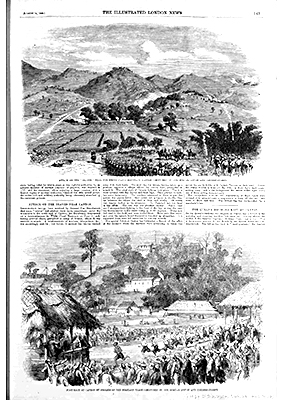
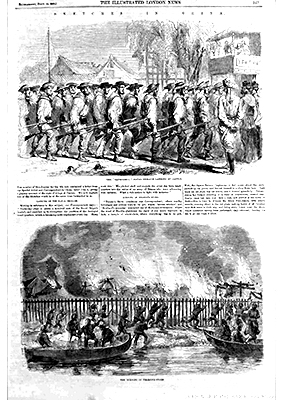
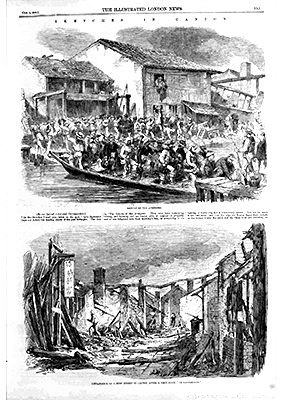
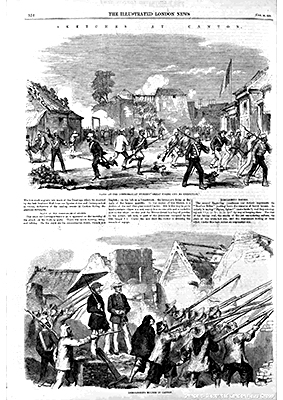
WAR in China-British forced cultivation of Opium in India(led to famine 1870) for sale profits from colonized China


 highlight the Great Bengal Famine of 1770 and the severe famines of the late 19th century (such as the Great Famine of 1876–1878 and the Orissa Famine of 1866) as the primary disasters linked to these policies. 

Forced Opium Cultivation and Famine Link

  • Land Displacement: The British East India Company and later the colonial government enforced the cultivation of opium and other cash crops (like indigo and cotton) on the best agricultural land, displacing food grains necessary for local subsistence. 

  • Economic Exploitation: Indian peasants were forced into debt traps or coerced by company agents to grow opium poppies instead of edible crops, often at a financial loss, leaving them vulnerable to hunger. 

  • Revenue Priority: Colonial policies prioritized export revenue and tax collection over famine relief, continuing to extract grain and wealth even during crop failures. 
    =============================================================
    The British East India Company established a monopoly on opium cultivation in India (particularly Bengal and Bihar), allowing it to sell the drug to China at high markups The revenue generated from these sales became a critical source of income for the British Empire, funding colonial administration in India and offsetting the cost of imperialism, with opium revenues eventually reaching approximately £8 million annually by the mid-19th century.

==================================================================

In the 1800s, opium sale profits were a primary driver of economic wealth for British and American merchants, effectively reversing the trade imbalance with China by financing the purchase of luxury goods like tea, silk, and porcelain.  For the British East India Company, which held a monopoly on cultivation in Bengal, opium revenue surged from £838,000 in 1835 to over £7.2 million by 1880, accounting for nearly 17% of total Indian government revenue by the late 19th century. 

In the United States, particularly in Boston, merchants such as Thomas Perkins and his firm Perkins and Co. amassed fortunes by smuggling Turkish opium into China, with profits reaching $1 million annually for top traders in the 1820s.  These illicit earnings were reinvested into American infrastructure and philanthropy, funding the first U.S. railroad, Massachusetts General Hospital, Perkins School for the Blind, and early industrial ventures, thereby playing a critical role in financing the Industrial Revolution in New England
Why did China suffer from opium addiction in the 1700-1800s, but the western world did not?
The first thing to point out, would be that there was in fact drug addiction in Europe in the 1700-1800s. The particular reason as to the wide spread use of opiates in China was that the Portuguese, British and Dutch used its addictive properties to create the demand. The background to this information is there was a very high demand for Chinese goods in the west. In particular silks, porcelain, and tea were much sought after. The issue with trading the Chinese, was finding a sustainable commodity that the Chinese wanted. Initially it was all done in gold and silver, but without a surplus of this (such as in the United States where gold was not mined until the late 18th century). When the discovery by the Portuguese that Indian grown opium could be sold in China where it was used by almost every level of society. Soon the other parts of Europe and North America began using opium as their main trading commodity. The point is not that silver discontinued its journey into China during the second half of the eighteenth century—it did not—but rather that opium and tea became the high-profit markets, with silver playing a complementary role in terms of profitability. According to Dermigny (1964, Vol. II, 688-689) (Flynn & Giraldez, 2002, p. 411) Cycles of Silver: Global Economic Unity through the Mid-Eighteenth Century Next we need to look at what opium was used for, and how it was viewed in both China and West Europe. The use of opium was both recreational and medicinal. There have been examples of opium's medicinal use throughout history, specifically as a pain killer which made its use widely spread during times of war. It was well known even before its widespread trade on the global market. Xu Boling writing in 1483 described it as an aphrodisiac, which begins to show its uses that weren't strictly medicinal. It was also used for purely recreational purposes, but would not have been easily accessible to most Chinese prior to the establishment of European opium trade in the region. It common use as a medicine and recreational drug lead to widespread addiction, as the marketplace was flooded with the substance on levels significantly higher than what the West experienced. "16,550 chests in the season 1831-2 to over 30,000 in 1835-6 and 40,000 in 1838-9" (Greenberg, 1951, p. 113) British Trade and the Opening of China 1800-1842 TL;DR Western Europe and the Americas flooded the Chinese marketplace with Opium, making it extremely accessible to people in the region. tl;dr Western Europe and the Americas flooded the Chinese marketplace with Opium, making it extremely accessible to people in the region. More on reddit.com
🌐r/AskHistorians
45
837
October 14, 2017
How bad was opium addiction that it led to China's downfall?
Welcome to r/AskHistorians . Please Read Our Rules before you comment in this community. Understand that rule breaking comments get removed . Please consider Clicking Here for RemindMeBot as it takes time for an answer to be written. Additionally, for weekly content summaries, Click Here to Subscribe to our Weekly Roundup . We thank you for your interest in this question, and your patience in waiting for an in-depth and comprehensive answer to show up. In addition to RemindMeBot, consider using our Browser Extension , or getting the Weekly Roundup . In the meantime our Twitter , Facebook , and Sunday Digest feature excellent content that has already been written! I am a bot, and this action was performed automatically. Please contact the moderators of this subreddit if you have any questions or concerns. More on reddit.com
🌐r/AskHistorians
32
813
August 6, 2022
The Opium Iceberg Explained* 🎥
🌐r/CartiCulture
3
10
December 10, 2023


.
iln_1857-01-10_04_bo_377802

ILN_1857-01-10_04_boque-forts_BL

iln_1857-01-17_38_dutch-fo

iln_1857-01-17_38_dutch-fo

iln_1857_01-17_089

iln_1857_01-17_089

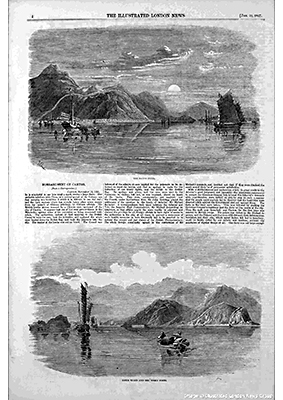
iln_1857_02-14_134.jpg

iln_1857_02-14_134.jpg

iln_1857-02-21_cover_377655

ILN_1857-02-21_cover_mandarin_BL

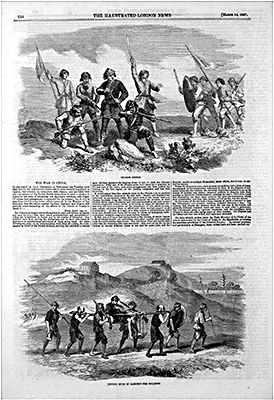
iln_1857-03-14_238_w_37716c

ILN_1857-03-14_238_wounded_yale

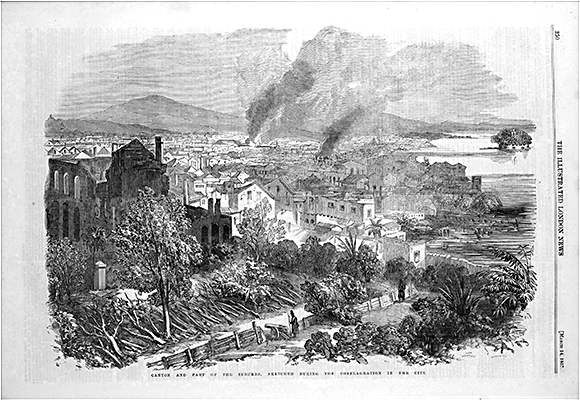
in_1857-03-14_250_c_377170

ILN_1857-03-14_250_canton-burns_yale

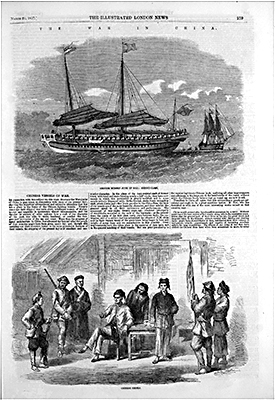
iln_1857-03-21_259_w_37716d

ILN_1857-03-21_259_war-junk_yale

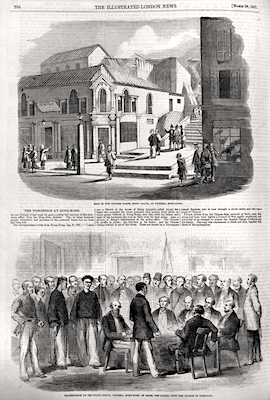
iln_1857_03-28_286.jpg

iln_1857_03-28_286.jpg

iln_1857_04-04_306.jpg

iln_1857_04-04_306

iln_1857_04-18_367

iln_1857_04-18_367

iln_1857-04-25_397

iln_1857-04-25_397

iln_1857_05-16_471s_pg_b.jpg

iln_1857_05-16_471s_pg_b

iln_1858-08-14_143_a_3776bc

ILN_1858-08-14_143_attack-canton_BL

iln_1858-09-18_267_f_3776b9

ILN_1858-09-18_267_fire-canton_BL

iln_1858-10-09_335_c_3776b6

ILN_1858-10-09_335_canton_BL

iln_1858-10-16_354_panic_bl

ILN_1858-10-16_354_panic_BL

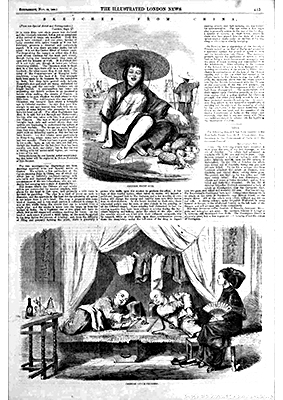
iln_1858-11-20_483_opium_bl

ILN_1858-11-20_483_opium_BL

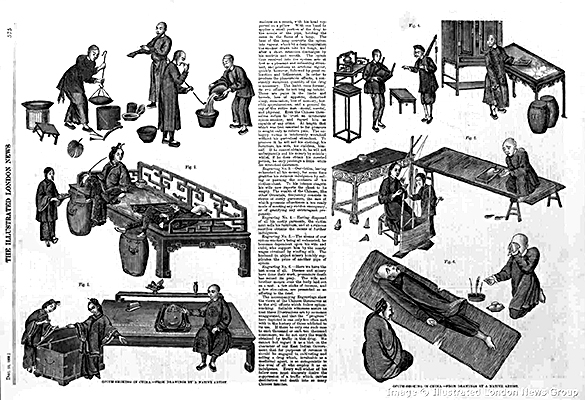
iln_1858-12-18_575__3776e9

ILN_1858-12-18_575_opium_horiz_BL

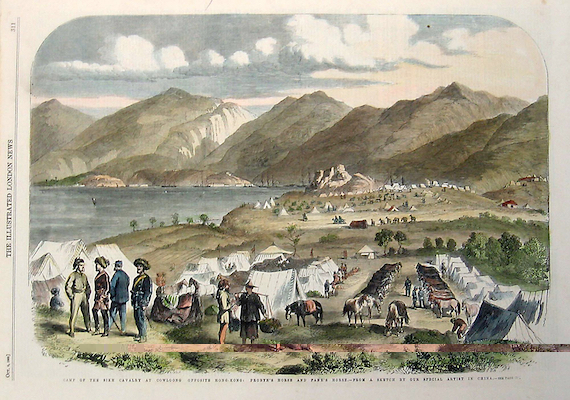
f_1860_SikhsAtCowloon_ILN

iln_1860-10-6-Sikhs-Cowloon

iln_1860-10-27_391

iln_1860-10-27_391

ILN_1860-10-27_394

ILN_1860-10-27_394

iln_1860-12-08_547__3777df

ILN_1860-12-08_547_fort-beato_horiz_BL

iln_1860-12-22_582__3777dd

ILN_1860-12-22_582_battle_horiz_BL

iln_1860-12-22_583__3777db

ILN_1860-12-22_583_battle_horiz_BL

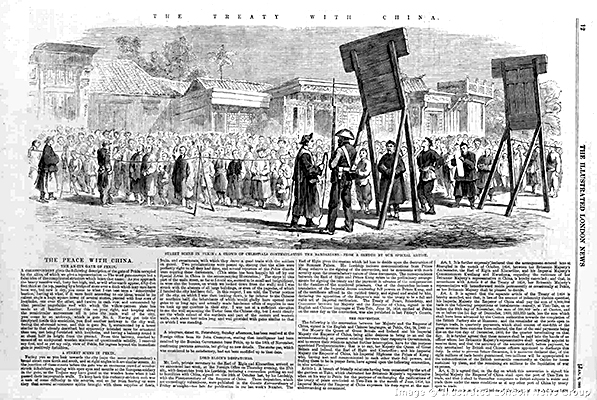
iln_1861-01-05_12_st_3777f5

ILN_1861-01-05_12_street-Pekin_BL

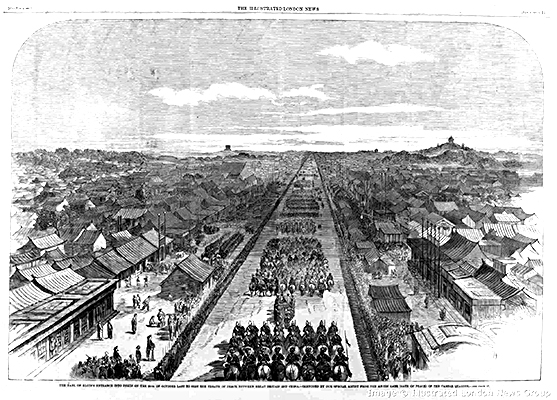
iln_1861-01-05_21_el_3777f3

ILN_1861-01-05_21_elgin-pekin_BL

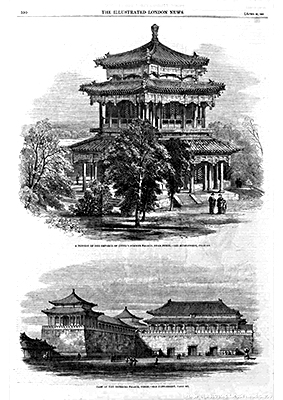
iln_1861-04-27_390_s_3777fb

ILN_1861-04-27_390_summer-palace_BL


        Images: British Newspaper Archive (click here),
        The British Library Board,& The Illustrated London News Group


m

No comments:

Post a Comment